
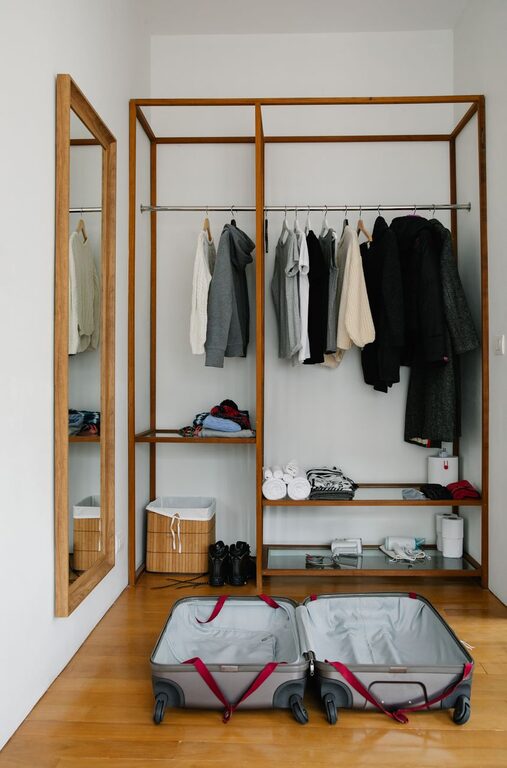
Storing seasonal clothes efficiently can transform your living space, making your closet more organized and your daily dressing routine smoother. Whether you’re packing away summer dresses or bulky winter sweaters, proper storage helps maintain your garments’ quality and saves valuable space. In this guide, we’ll explore simple, effective methods to store seasonal clothes while keeping your wardrobe accessible and ready for the next season.
Why Proper Seasonal Storage Matters
Before diving into the how-to, it’s important to understand why seasonal storage matters. Clothes that are not stored properly can become wrinkled, lose shape, or even develop mold and odors over time. Efficient storage helps:
– Protect garments from damage (dust, pests, moisture)
– Save space in your closet and home
– Make seasonal swaps quick and hassle-free
– Keep your wardrobe fresh and ready to wear
With these benefits in mind, you can approach seasonal storage as a way to care for your wardrobe and enhance your home’s organization.
Step 1: Sort and Declutter Your Clothes
Before storing, sort through your clothes to decide what to keep, donate, or discard. Seasonal storage is a great opportunity to rethink your wardrobe and relieve clutter.
Tips for Sorting:
– Check for wear and tear: Discard damaged items you don’t plan to repair.
– Assess fit and style: Remove pieces that no longer fit or suit your style.
– Consider usage: If you haven’t worn an item during the last season, evaluate if you really need it.
Sorting reduces the amount of clothes you store, making your system more manageable.
Step 2: Clean Your Clothes Thoroughly
Always wash or dry clean clothes before storing them. Dirt, oils, and sweat can attract insects and cause stains to set over time.
Cleaning tips:
– Follow garment care labels.
– Ensure clothes are completely dry to prevent mold.
– Consider lightly ironing or steaming to remove wrinkles before storing.
Clean clothes will stay fresher and last longer while stored away.
Step 3: Choose the Right Storage Containers
Selecting suitable storage containers is key to preserving your clothes and maximizing space.
Common storage options:
– Plastic bins with lids: Protect against moisture and pests; stackable to save space.
– Vacuum-sealed bags: Reduce bulk by removing air; ideal for bulky items like coats.
– Fabric storage bags: Breathable option that prevents moisture buildup; good for delicate fabrics.
– Under-bed storage boxes: Utilize under-bed space for off-season clothes.
– Suitcases: Dual-purpose option—store clothes and travel-ready at the same time.
Make sure containers are clean and dry to avoid damage.
Step 4: Organize Clothes by Type and Season
Organize your stored clothes to find items easily when it’s time to switch seasons.
Organization ideas:
– Group similar items (e.g., sweaters, jackets, scarves).
– Use clear containers or label opaque bins with contents.
– Store frequently used items on top or in accessible spots.
– Consider color-coding labels for quick identification.
Keeping clothes sorted helps you avoid digging through containers and preserves the condition of items.
Step 5: Prepare Storage Space Properly
Where you store your clothes matters. Choose spaces that are cool, dry, and away from direct sunlight.
Storage space tips:
– Avoid damp basements or garages.
– Use closet shelves, under-bed space, or dedicated storage rooms.
– Keep containers off the floor to prevent moisture damage—instead, use risers or shelving.
– Place cedar blocks or lavender sachets inside containers to deter moths and add a pleasant scent.
Well-prepared storage spaces protect your clothes from environmental damage.
Step 6: Use Space-Saving Techniques
Maximize storage efficiency with smart folding and packing methods.
Techniques to try:
– Rolling clothes: Saves space and reduces wrinkles, great for t-shirts and lighter fabrics.
– Folding with tissue paper: Helps maintain shape for delicate items.
– Layering: Place heavier items at the bottom of bins.
– Vacuum sealing: Compress bulky coats and sweaters to half their usual size.
These techniques help you pack more items neatly into less space.
Step 7: Consider Storage Accessories for Extra Care
Certain accessories help maintain garment shape and quality during storage.
Accessories to consider:
– Padded hangers: Prevent shoulder bumps for delicate garments.
– Garment bags: Protect hanging clothes from dust.
– Silica gel packs: Control moisture inside sealed containers.
– Moth repellents: Use natural options like cedar or lavender to keep insects away.
Choosing the right accessories enhances the longevity of your clothes.
Step 8: Swap and Refresh Your Wardrobe Seasonally
When it’s time to bring your stored clothes back into rotation, take the chance to refresh your wardrobe.
Seasonal swapping tips:
– Air out stored clothes before wearing.
– Check for any damage or pests.
– Rewash or steam clothes if needed.
– Repeat the sorting and decluttering process regularly to maintain a well-curated closet.
Regular attention prevents buildup of forgotten items and keeps your wardrobe functional year-round.
—
By following these practical steps, you can efficiently store your seasonal clothes and enjoy a clutter-free home all year long. Proper care and organization not only save space but also extend the life of your favorite garments—making dressing for every season an easier, more enjoyable experience. Happy organizing!
About the Author