
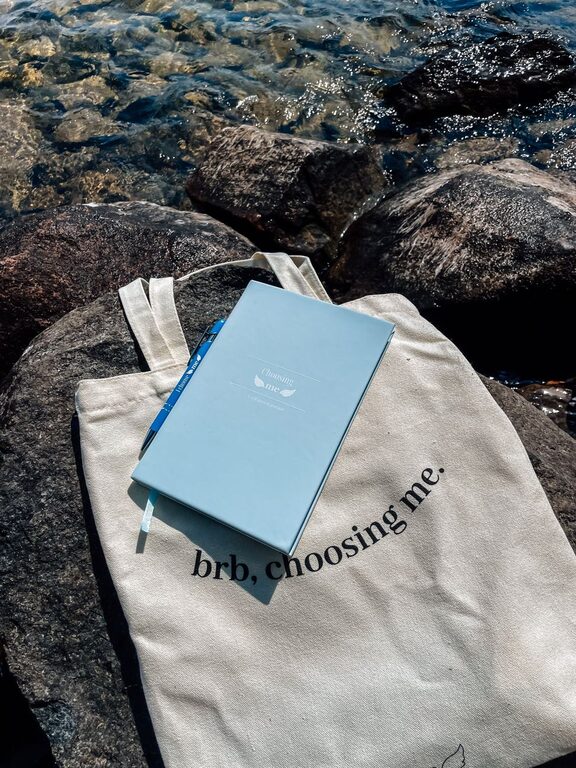
Choosing the right notebook may seem like a simple task, but it can make a significant difference in how often you reach for it and how useful it becomes in your daily life. Whether you want to jot down ideas, keep a journal, plan your schedule, or take notes, finding a notebook that suits your preferences and habits is key to making it a tool you’ll actually use.
In this post, we’ll walk you through the factors to consider when picking a notebook, so you can feel confident with your choice and enjoy putting pen to paper.
Why Choosing the Right Notebook Matters
A notebook is a personal tool. If it doesn’t fit your style or needs, it can end up untouched, tucked away in a drawer or lost among other supplies. Conversely, the perfect notebook can motivate you to capture thoughts, track tasks, and nurture creativity. Choosing wisely helps prevent waste and keeps you organized.
Step 1: Consider Your Purpose
Before browsing options, think about how you plan to use the notebook. Different uses call for different types:
– Journaling: A notebook with smooth pages and a size you like holding can make journaling easier.
– Note-taking: Consider a notebook with ruled or grid lines for structured writing.
– Sketching or artistic work: Blank or dotted pages might be best.
– Planning or bullet journaling: Dotted or grid layouts offer flexibility.
– Travel or on-the-go notes: A compact, durable notebook with a sturdy cover works well.
Clarifying your primary use will help narrow down features.
Step 2: Decide on Size and Portability
Notebooks come in many sizes, and the right one depends on your lifestyle:
– Pocket-sized (around 3.5” x 5.5”): Great for quick notes, lists, and portability.
– Medium (5” x 8.25”): Popular size for daily use, fits in most bags, and offers enough space.
– Large (8.5” x 11” and above): Ideal for extensive notes, sketches, or office use but less portable.
Be realistic about where you’ll carry the notebook and how much space you need for writing.
Step 3: Choose the Binding Type
The binding affects how the notebook opens and feels in your hands:
– Spiral-bound: Opens flat and folds back easily; good for note-taking but can get damaged.
– Perfect-bound (like a paperback book): Sleek look, but may not lay flat easily.
– Thread-bound or sewn: Durable, lies flat, and often higher quality.
– Hardcover vs. Softcover: Hardcovers protect your pages but add weight; softcovers are lighter and flexible.
Think about comfort and durability based on how you’ll use the notebook.
Step 4: Select the Paper Type and Quality
Paper quality influences writing experience and ink performance:
– Weight: Measured in gsm (grams per square meter). Heavier paper (80gsm and above) reduces bleed-through.
– Texture: Smooth paper suits pen and pencil, while textured paper can be better for sketching.
– Color: White or cream paper affects readability and aesthetics.
– Acid-free paper: Lasts longer without yellowing, good for keepsakes.
Test your favorite pens on paper samples if possible.
Step 5: Pick the Layout
The page layout helps organize your writing or drawings:
– Lined: Ideal for writing and note-taking.
– Blank: Good for sketches, mind maps, or free-form notes.
– Dotted: Offers subtle guidance, popular with bullet journaling.
– Grid: Best for diagrams, graphs, or structured notes.
Choose one that encourages your preferred style.
Step 6: Consider Additional Features
Some features can enhance your experience:
– Page numbering: Helps with organization.
– Index pages: Useful for bullet journaling or project tracking.
– Inner pockets: Convenient for storing receipts or notes.
– Elastic closure: Keeps notebook closed securely.
– Ribbon bookmarks: Easy to mark your place.
– Perforated pages: Allow clean tear-outs.
Prioritize features that add value to your routine.
Step 7: Think About Style and Design
While functionality is crucial, the notebook’s appearance matters too. A cover that reflects your personality or is visually appealing can inspire you to write more often. From minimalist designs to colorful patterns, there’s a style for everyone.
Tips to Make the Most of Your Notebook
Once you’ve selected the right notebook, follow these simple tips to keep using it regularly:
– Keep your notebook in a place you’ll remember.
– Set aside time daily or weekly to write or review notes.
– Personalize your pages with doodles or stickers.
– Use it for multiple purposes, like lists, reflections, or brainstorming.
– Don’t worry about perfection — embrace your style.
Conclusion
Choosing a notebook you’ll actually use is about balancing function, comfort, and personal taste. By understanding your needs and preferences, you can find the perfect notebook that feels like a natural extension of your ideas and daily life, encouraging you to write more, stay organized, and enjoy the process.
Remember, the best notebook is one that fits comfortably in your hands and inspires you to open it again and again. Happy writing!
About the Author